
Best And Easy 3D Printing Ideas for Beginners in 2025
Key Features
- Beginner-friendly designs that require minimal setup and standard filaments.
- Blend of creativity and utility, offering both fun projects and practical solutions.
- Cost-effective prototypes and tools that save money compared to retail products.
- Highly customizable models downloadable from open repositories or designed in free CAD tools.
Have you ever imagined turning your creative ideas into real objects within hours, all from the comfort of your desk? This is the promise of 3D printing, a technology once confined to industrial labs but now thriving in homes, schools, and small businesses. What makes it even more exciting is that beginners can start with easy projects that require little technical knowledge yet deliver practical and fun results.
Quick Answer
Easy 3D printing ideas are beginner-friendly projects like phone stands, keychains, or desk organizers that combine creativity and functionality. They require minimal setup, low cost, and can be customized for personal use.
The global 3D printing market surpassed $20 billion in 2024, and consumer adoption is growing rapidly, with desktop printers making up a major share. Reports show that over 70% of first-time users begin with simple projects such as phone stands, keychains, or household organizers. These accessible prints not only teach the basics of additive manufacturing but also demonstrate how affordable and customizable it can be.
Educational institutions and hobbyists are fueling this trend further. According to IDC, 3D printing in education is expected to grow by 24% annually through 2030, making easy projects a cornerstone of learning. Whether you are a student, a maker, or someone curious about technology, starting with easy 3D printing ideas provides a fast, cost-effective, and creative way to step into the future of digital manufacturing.
The Coolest 3D Printing Ideas for 2025
3D printing continues to open doors to creativity, practicality, and innovation. With affordable printers and millions of designs available online, you don’t need to be an engineer to bring imaginative ideas to life. The following projects range from everyday essentials to fun toys and musical instruments, offering something for hobbyists, students, professionals, and families alike.
Earphone Holder
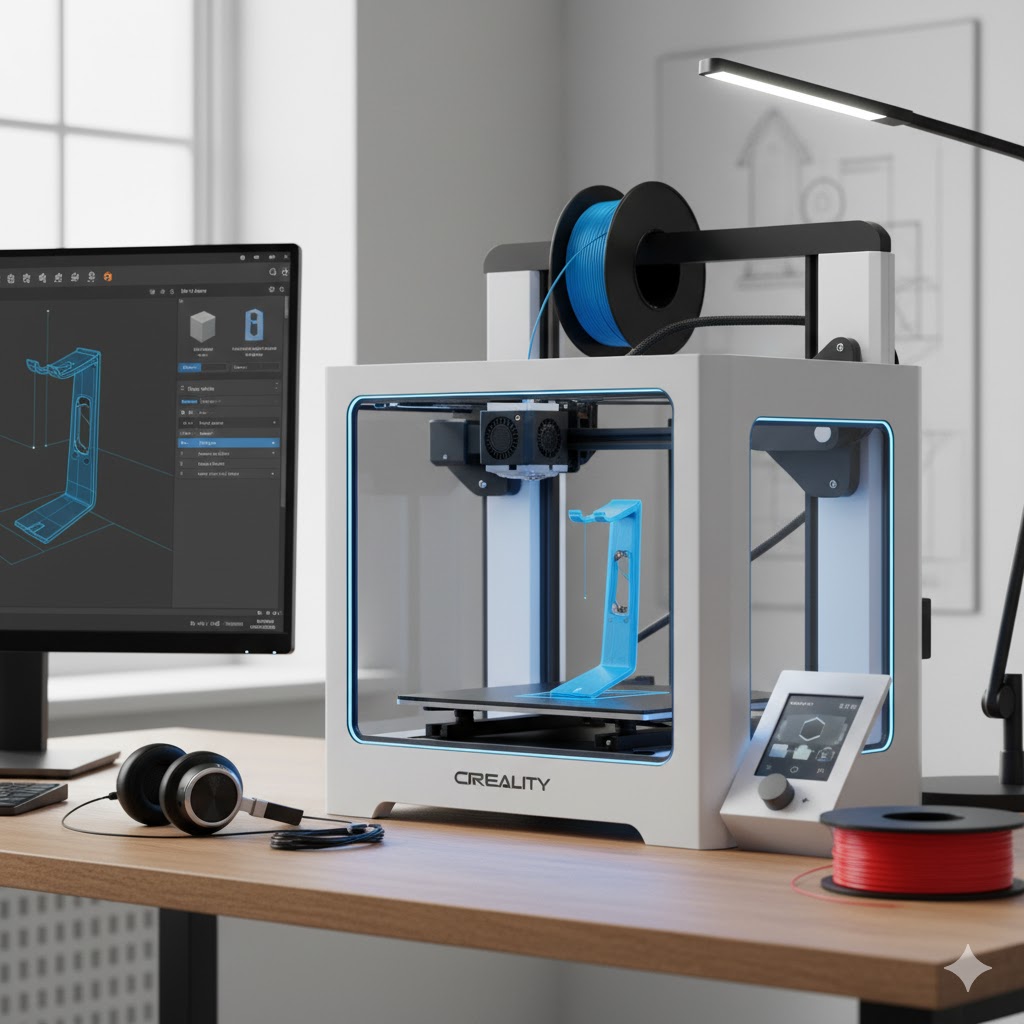
Are you tired of tangled earphone cables? A 3D-printed earphone holder is the perfect solution. This lightweight accessory helps you keep earphones neatly wrapped and ready to use. With the rise of hybrid work and travel, an organized setup is more important than ever, over 60% of people now carry earphones daily, according to consumer electronics surveys. A sturdy 3D-printed holder not only prevents damage to delicate wires but also adds a personal touch with customizable colors or engravings. Whether clipped onto a bag or kept in your pocket, this small tool can save you endless frustration.
Articulated Elephant
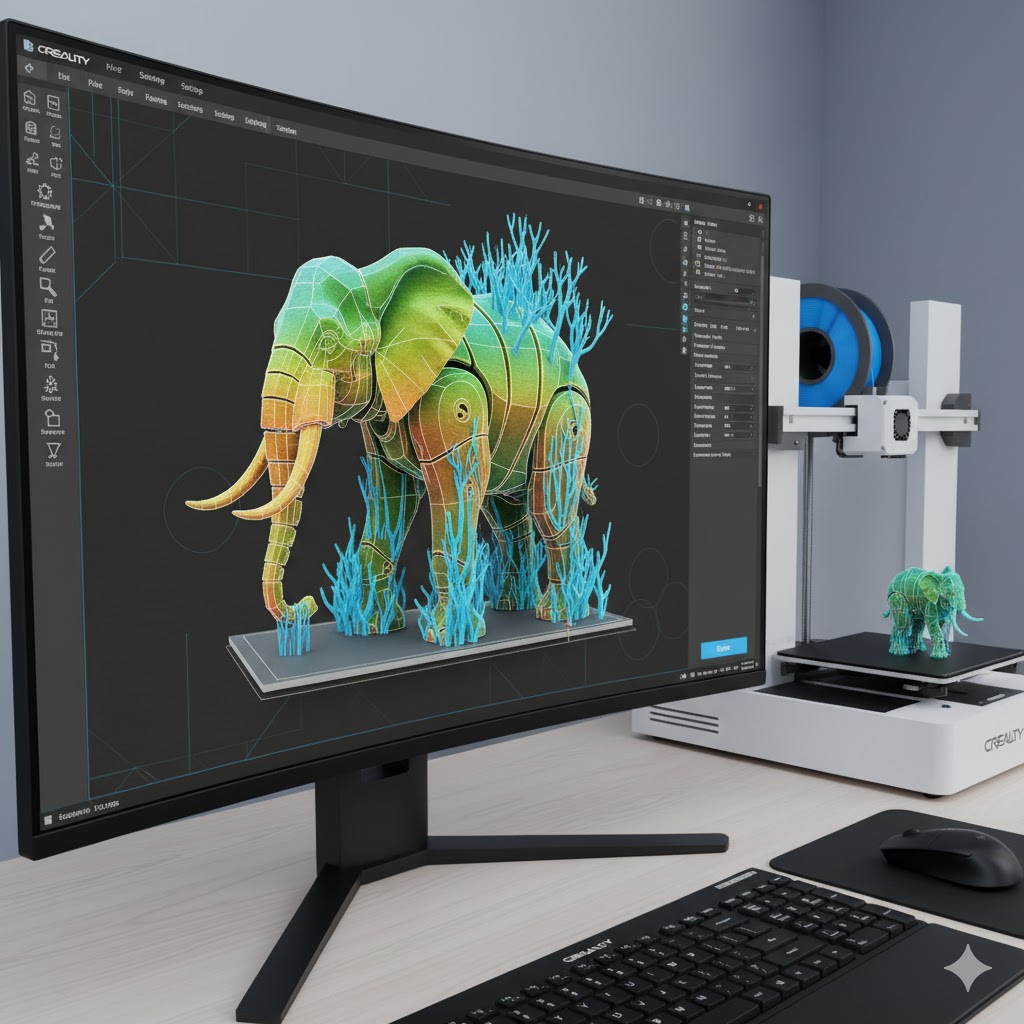
Sometimes, the best 3D printing ideas are the ones that bring pure joy. The articulated elephant is a poseable toy inspired by the famous robotic elephants at the IRT Jules Verne in Nantes, France. Each part of the design is connected by joints, making it flexible and fun to play with. What makes it special is the balance between engineering and art, it teaches beginners about movable parts while also serving as a collectible desk accessory. Many hobbyists also use it as a gift or a teaching tool for children learning about mechanics.
Rubik’s Cube
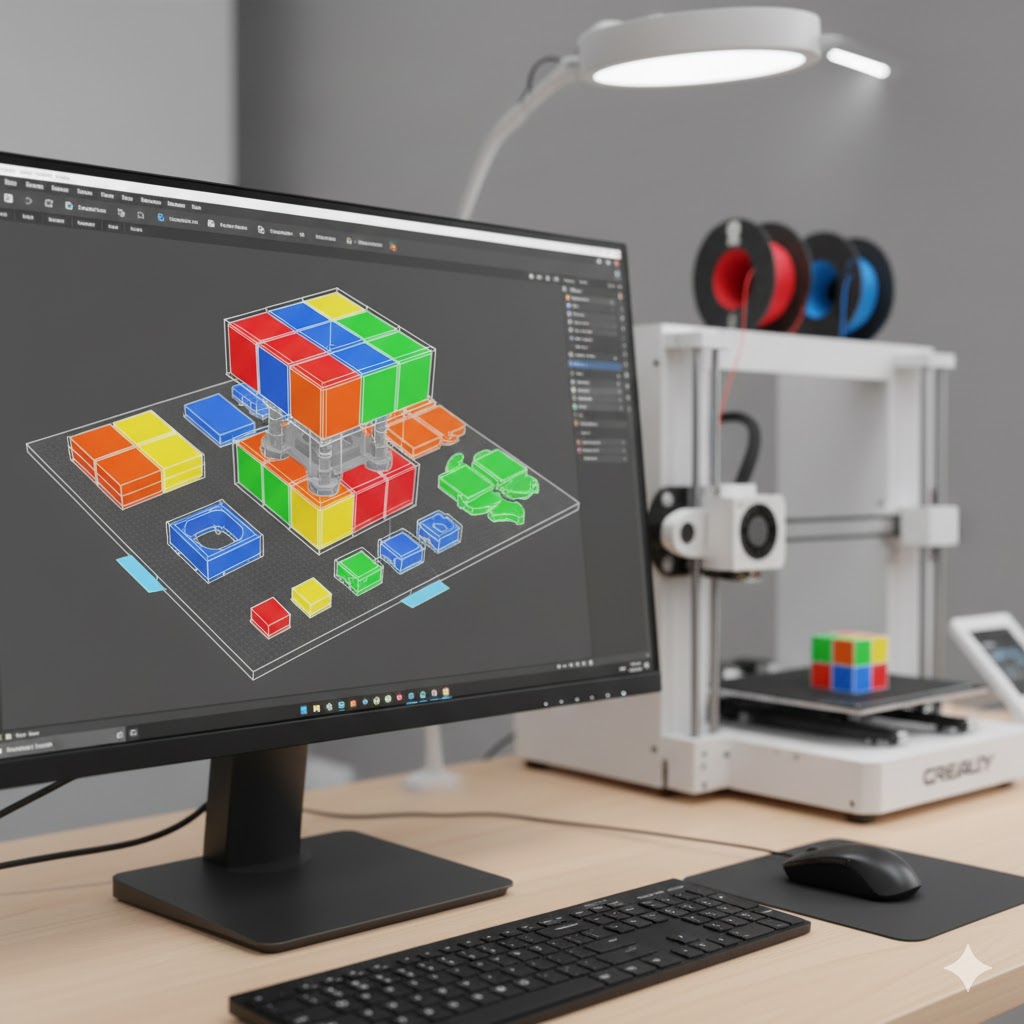
Remember the endless hours of twisting and turning a Rubik’s Cube? Now you can 3D print one yourself. This project is more than just nostalgia—it showcases the precision of 3D printing. By experimenting with different color filaments or sticker placements, you can make a cube that reflects your style. For puzzle enthusiasts, it’s a chance to customize dimensions or create variations of the classic cube. And if you love challenges, assembling your 3D-printed Rubik’s Cube adds another layer of satisfaction before you even start solving it.
Folding Leaf Bowl
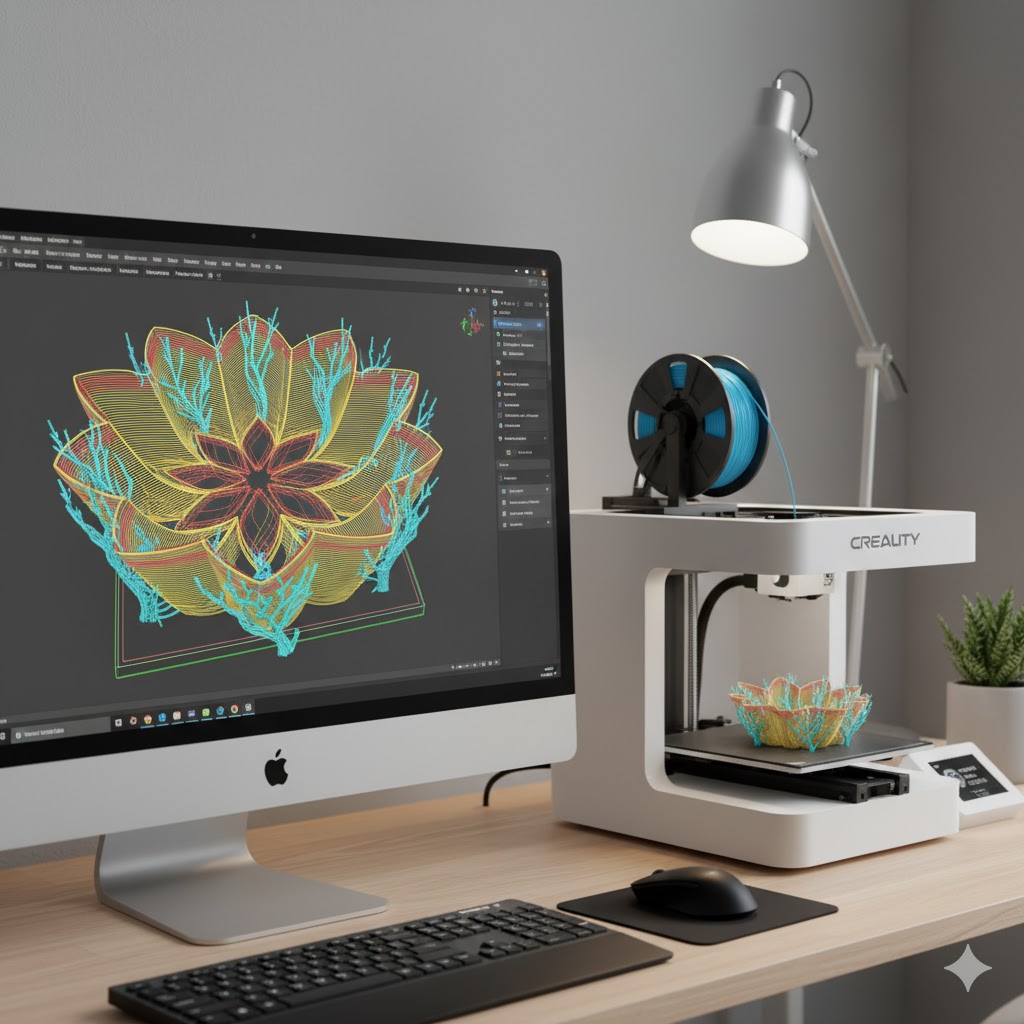
Looking for a unique and functional décor piece? The folding leaf bowl is a mesmerizing design that doubles as a practical container. Its interlocking leaves can open and close, creating an elegant centerpiece for your dining table. Whether used to hold fruit, candies, or keys, it instantly elevates the look of your space. The design is often printed in dual-tone filaments to enhance the “leafy” effect, making it a conversation starter at any gathering. Plus, it’s collapsible, meaning it saves storage space when not in use.
Chopstick Trainer
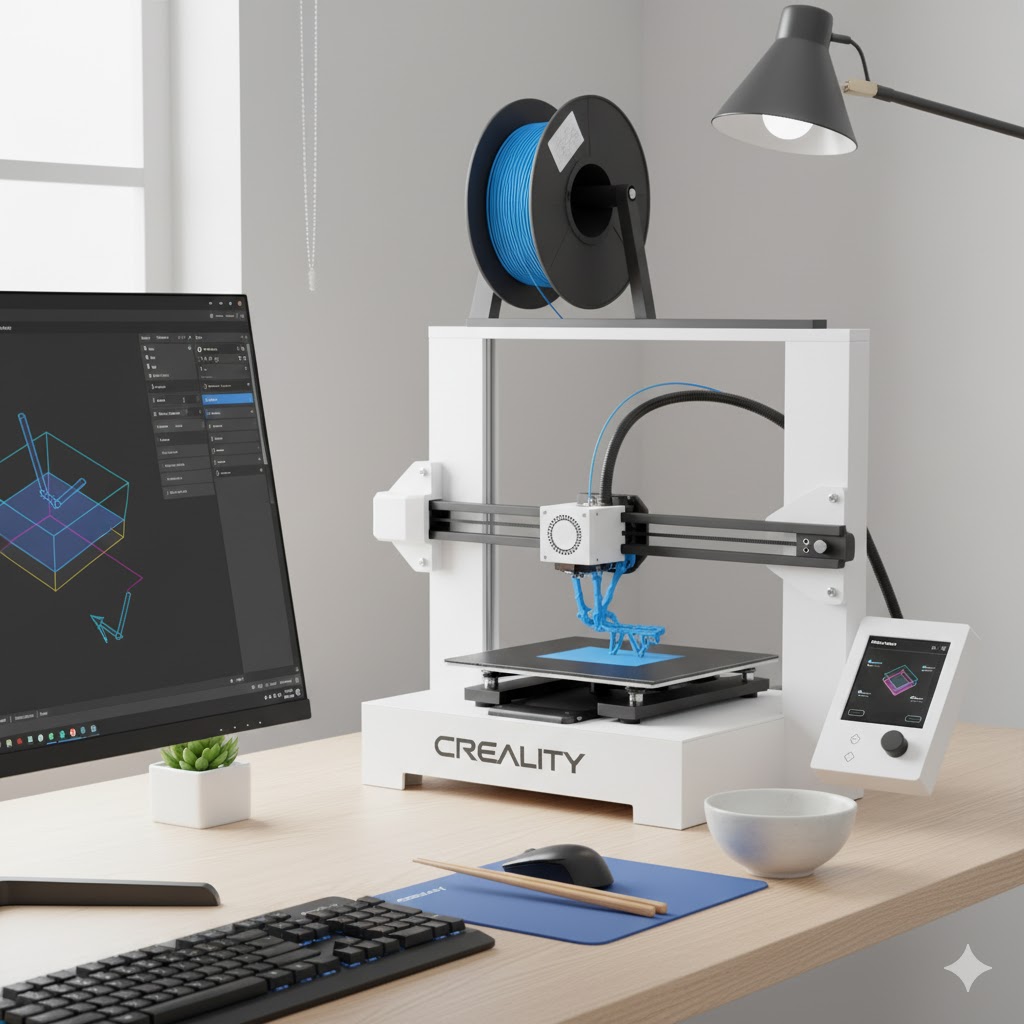
Love Asian cuisine but struggle with chopsticks? This 3D-printed chopstick trainer is both practical and fun. It helps beginners learn the correct hand placement while making dining easier for kids and adults alike. Inspired by aids commonly found in Japanese restaurants, the trainer is ergonomic and easy to clip onto chopsticks. With Asian cuisine growing in popularity worldwide, Statista projects the Asian food market to grow 6.7% annually by 2030, this small tool makes for a thoughtful gift or a personal must-have in the kitchen.
Measuring Cube
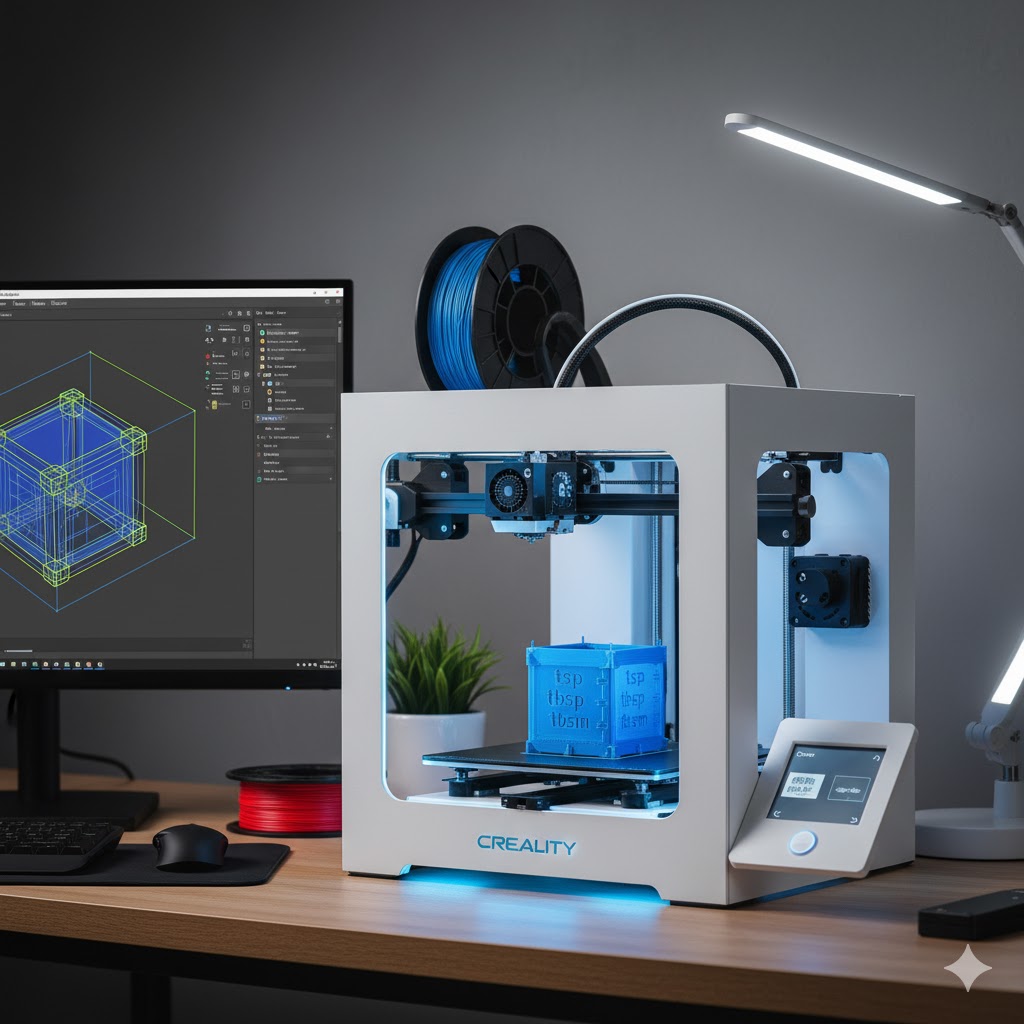
Cooking is an art, but it requires precise measurements. A 3D-printed measuring cube solves the clutter problem of owning multiple cups by combining different measurements into a single tool. Designed with compartments for tablespoons, teaspoons, and milliliters, it simplifies recipes and saves cabinet space. It’s particularly popular among students or young professionals who live in smaller apartments. Affordable, durable, and dishwasher-safe when printed with food-safe filaments, this cube is a great example of how 3D printing blends convenience with innovation.
Ocarina
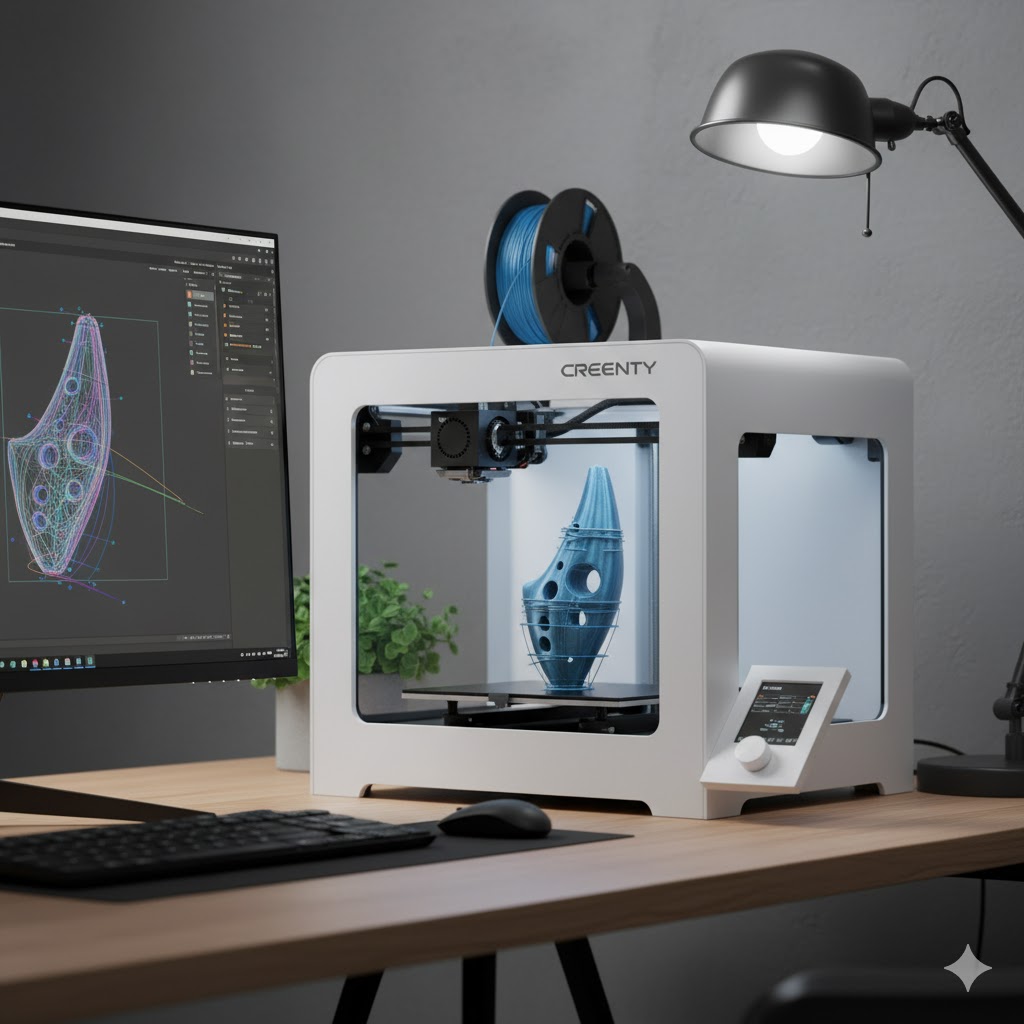
Have you ever wanted to play a musical instrument without spending hundreds of dollars? A 3D-printed ocarina is a compact wind instrument that’s surprisingly accurate in tone. With just a few hours of printing and some post-finishing, you can create your very own instrument. Customization options include different shapes, mouthpieces, and even decorative engravings. Perfect for music lovers, cosplay fans, or anyone who’s curious about sound design, the ocarina proves how 3D printing can bring art and science together.
Modular Fiddle
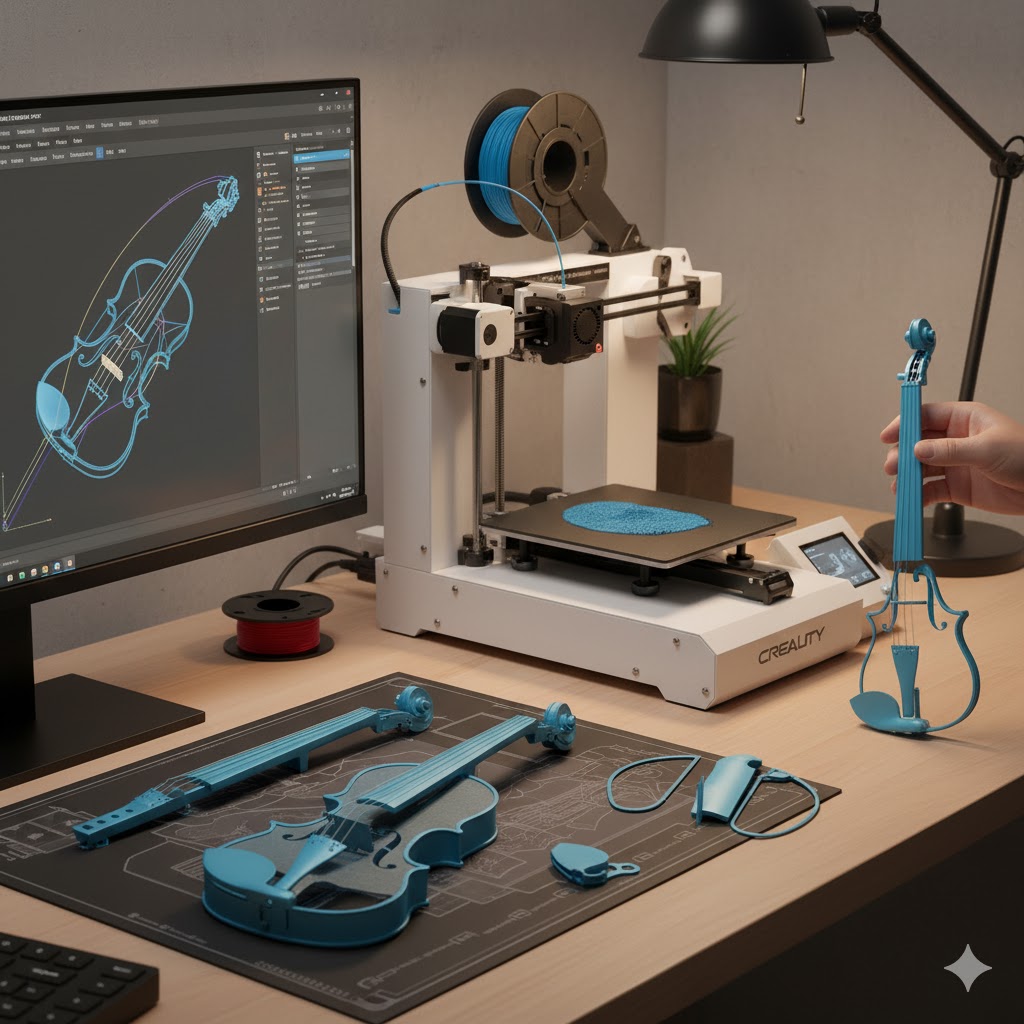
For those seeking a more advanced project, the modular fiddle offers a blend of craftsmanship and performance. Unlike the ocarina, this is a string instrument that allows customization of body parts, bridges, and even sound profiles. Musicians who experiment with 3D-printed fiddles report surprisingly good acoustics, especially with upgraded strings. What makes it appealing is its adaptability, you can replace parts without needing a whole new instrument. In 2025, more musicians are embracing 3D printing as a way to explore affordable, experimental instruments.
Hanging Planter
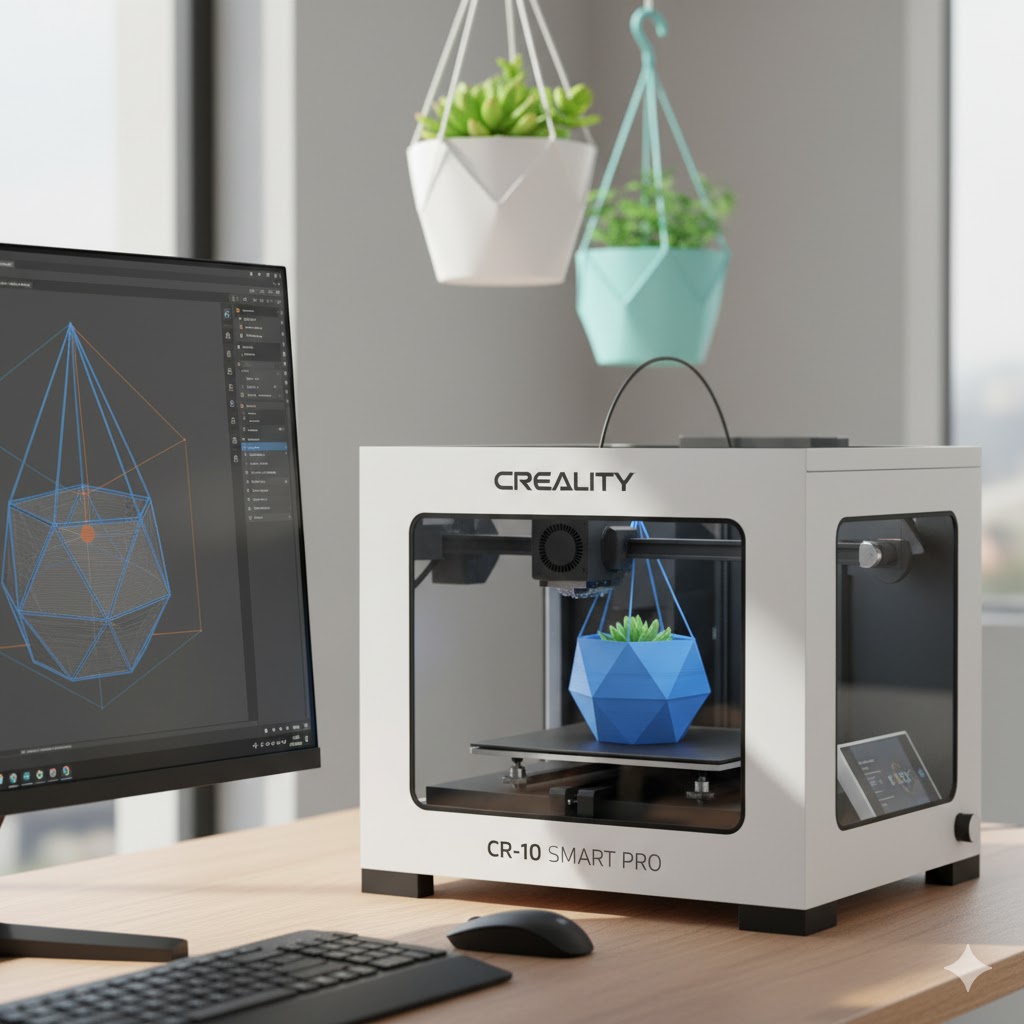
Bring nature indoors with a stylish 3D-printed hanging planter. These planters, often designed with geometric or floral patterns, are lightweight yet durable. Perfect for balconies, windows, or living rooms, they make displaying greenery easier and more aesthetic. Many designs include built-in drainage systems or modular stacking options. With houseplants becoming more popular, global indoor plant sales are projected to reach $30 billion by 2028, 3D-printed planters are a creative way to merge functionality with eco-friendly décor.
Baroque Picture Frame
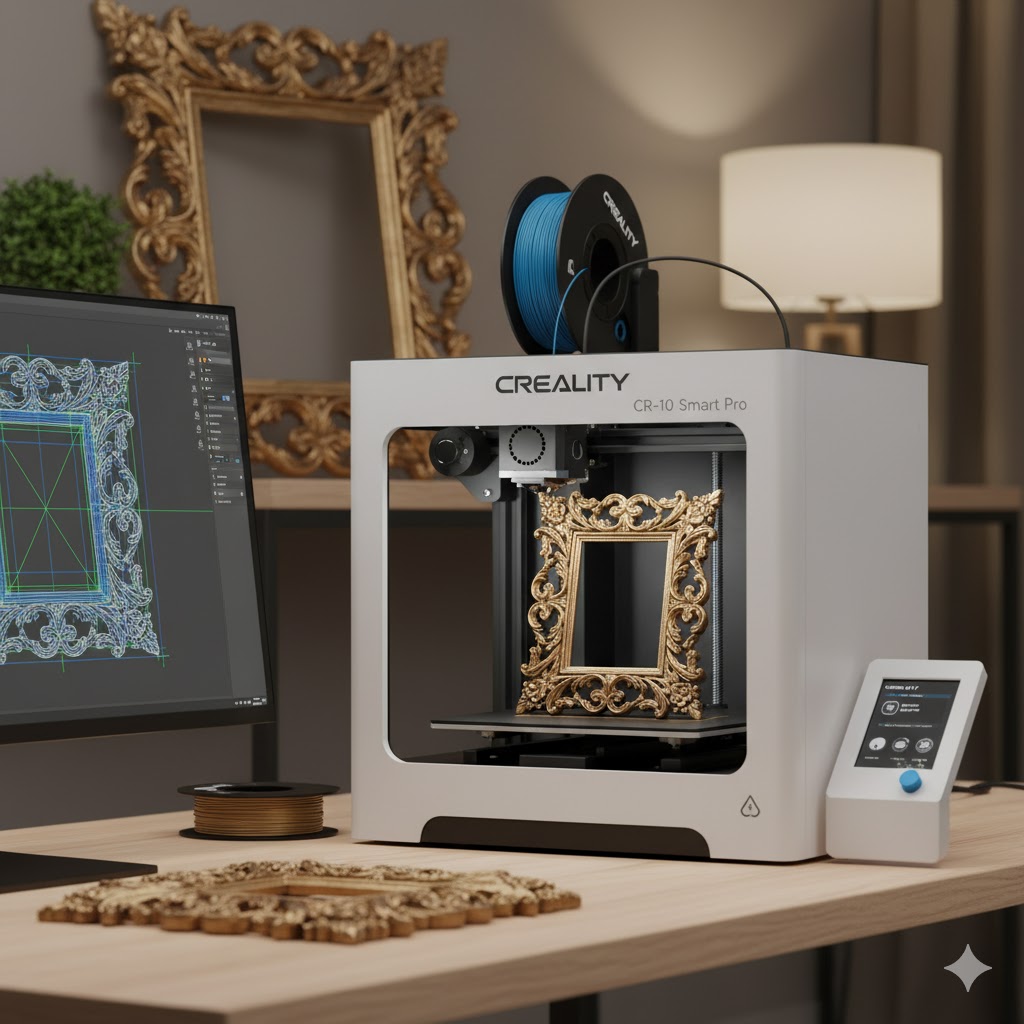
Nothing combines old-world charm with modern tech quite like a Baroque-inspired picture frame made from 3D printing. With intricate curves, ornate detailing, and customizable sizes, this frame lets you showcase memories in style. Traditional Baroque designs would take hours of craftsmanship, but with a printer, you can achieve the same result in just a few hours. Painted or finished with metallic spray, the result looks remarkably authentic. It’s a quick print that makes for a heartfelt gift or a timeless addition to your home décor.
How Do Material Choices Affect Easy 3D Printing?
When it comes to 3D printing, the type of filament or material you use can make a big difference in the success of your project. For beginners, choosing the right material is just as important as picking the right design, since it directly impacts print quality, durability, and ease of use.
PLA (Polylactic Acid)
The most popular choice for easy projects. It’s biodegradable, affordable, and easy to print with. PLA requires relatively low temperatures and produces smooth prints, making it ideal for items like organizers, toys, and decorative models. Studies show that over 60% of consumer-level prints are made with PLA due to its reliability.
PETG (Polyethylene Terephthalate Glycol)
A step up from PLA in durability, PETG offers better strength and flexibility. It’s great for parts that need to withstand daily use, such as phone stands or kitchen tools. Unlike ABS, it has low warping issues, which is why around 25% of hobbyists prefer PETG for functional prints.
ABS (Acrylonitrile Butadiene Styrene)
Known for toughness and heat resistance, ABS is widely used in automotive and industrial prototypes. However, it requires higher print temperatures and tends to warp without an enclosed printer, which can frustrate beginners.
For most easy projects, PLA is the best choice to start with, while PETG is a solid option when you need more strength. As you gain experience, experimenting with ABS and specialty filaments (like wood-filled or flexible TPU) can open up new creative possibilities.
How Long Do Easy 3D Prints Usually Take?
One of the most common questions new users ask is: “How long will my print take?” The answer depends on the size of the model, the complexity of the design, and the printer’s speed settings. Easy 3D printing projects are designed to be quick, so beginners don’t have to wait days for results.
- Small prints (keychains, clips, small figurines): Usually take 30 minutes to 2 hours. These are great starter projects because they deliver fast results.
- Medium prints (phone stands, planters, desk organizers): Typically range from 2 to 6 hours, depending on infill density and size.
- Larger but simple prints (bowls, hooks, or multi-part projects): Can take anywhere from 6 to 12 hours, though many can be left printing overnight.
According to community surveys, most beginners prefer prints under 5 hours, since long print times can be discouraging if a project fails. Using optimized slicing settings, such as reducing infill for non-structural items or lowering layer height for faster printing, can cut print times significantly without sacrificing too much quality.
Which Industries Are Leveraging Easy 3D Printing?
While 3D printing is often associated with industrial prototyping, its accessibility has made it equally valuable across multiple sectors. Easy, low-cost designs aren’t just for hobbyists, they’re being embraced by industries that benefit from rapid customization, reduced costs, and innovative engagement.
Education
Schools and universities are some of the biggest adopters of 3D printing. By 2024, over 1.5 million 3D printers were in classrooms worldwide, enabling students to experiment with simple projects like keychains, models, or science prototypes. These easy ideas help introduce learners to STEM concepts, design thinking, and problem-solving in a hands-on way.
Retail and Small Businesses
Independent retailers and small entrepreneurs use 3D printing to create customized promotional items, packaging inserts, or small tools. A survey shows that over 40% of small businesses investing in 3D printing use it for customized merchandise, such as branded keychains, display stands, and décor because it’s cost-effective and quick.
Home and Lifestyle
From décor pieces to kitchen gadgets, 3D printing has become a staple in the DIY and lifestyle sector. Homeowners print easy objects like planters, organizers, or hangers, saving money while adding a personal touch. The global home décor market, projected to surpass $900 billion by 2030, is seeing a growing share of creative DIY prints.
Healthcare (Entry-Level Prototyping)
Although professional medical printing requires advanced technology, hobbyists and students in healthcare fields often start with easy models like anatomical parts or simple prosthetic prototypes. Organizations such as e-NABLE have shown how accessible 3D printing can be used for affordable prosthetic hands.
Hobbyist and Entertainment Communities
Cosplayers, gamers, and hobbyists use 3D printing to design props, figurines, and collectibles. Communities like Thingiverse and Printables feature thousands of easy fan-made designs, from tabletop game miniatures to costume accessories. This sector thrives because personalization is highly valued, 68% of makers say customization is the main reason they 3D print.
Final Words
Easy 3D printing projects show how powerful simple ideas can be, transforming everyday needs into creative, practical, and personalized solutions. From classrooms to living rooms, this technology is reshaping how people learn, design, and innovate. Starting small today means unlocking limitless possibilities for tomorrow. Starting with easy projects not only builds confidence but also sparks imagination, making each print a step toward bigger possibilities. What was once limited to industrial labs is now available at home, empowering anyone to experiment, learn, and create

Hi, I’m Mark Stevens. I love exploring 3D printing and diving deep into slicer software. I spend my time testing slicer settings, comparing features, and sharing tips to help creators get smoother, faster, and more reliable prints. My goal is to make slicer tools easy to understand and use, whether you’re a beginner or a seasoned 3D-printing enthusiast.

